A Powerful Step Forward: First Nations Leadership Calls for the Return of Chiropractic Care Under NIHB
Two of the most influential Indigenous organizations in Canada, the Chiefs of Ontario (COO) and the Assembly of First Nations (AFN), have passed formal resolutions calling for the reinstatement of chiropractic care under the federal Non-Insured Health Benefits (NIHB) program. Together, these organizations represent a strong, coordinated voice from First Nations leadership across Ontario and nationally — and their message is clear: access to non-pharmaceutical, non-surgical musculoskeletal care matters.
The Chiefs of Ontario, who advocate on behalf of 133 First Nations communities, passed a resolution supporting access to chiropractic care as part of a broader commitment to health sovereignty, culturally safe care, and equitable access to evidence-based services. This call aligns closely with Ontario’s First Nations Health Transformation agenda and reflects a shared vision for health systems that better meet the needs of First Nations peoples.
Importantly, this momentum extends beyond Ontario. The Assembly of First Nations, representing First Nations leadership across Canada, has also passed the same resolution. This national consensus highlights a critical concern: the ongoing exclusion of chiropractic care from NIHB leaves a significant gap in access to safe, effective musculoskeletal care for First Nations individuals.
To ensure these perspectives are heard, the Canadian Chiropractic Association (CCA) with the Indigenous Chiropractic Caucus (ICC) has formally reached out to both Minister Mandy Gull-Masty (Indigenous Services Canada) and Minister Rebecca Chartrand (Northern and Arctic Affairs) to communicate that two of the largest Indigenous organizations in Canada are requesting the reinstatement of chiropractic care under NIHB.
The CCA also thanks Dr. Chett Monague, member of the ICC, for his instrumental work with the Chiefs of Ontario in making this resolution a reality. His dedication demonstrates the impact of collaboration between chiropractic leaders, the ICC and First Nations organizations.
Voices from the Indigenous Chiropractic Caucus (ICC)
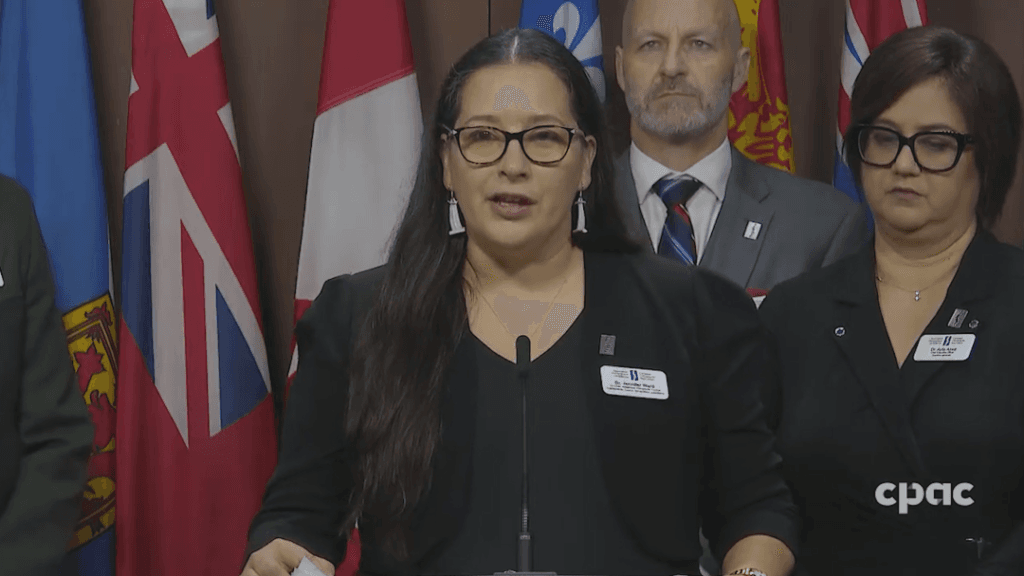
Dr. Jennifer Ward, co-chair of the ICC, notes, “This resolution is a powerful recognition of the importance of non-invasive musculoskeletal care for First Nations communities. It’s a step toward equitable health access and culturally safe care.”
Dr. David Peeace, ICC co-chair, adds, “We are proud to see Indigenous leadership and the chiropractic community working together. Reinstating chiropractic care under NIHB is not just about treatment — it’s about health sovereignty and ensuring our communities have the options they deserve.”
Musculoskeletal conditions, including back and neck pain, are among the most common and disabling health issues affecting First Nations communities. At the same time, First Nations peoples face persistent barriers to timely, appropriate care. Without access to chiropractic services through NIHB, patients are left with fewer non-invasive options and a greater reliance on pharmacological treatments, including opioids — an issue the federal government itself has identified as a public health priority.
Chiropractic care offers a proven alternative. It is evidence-based, non-invasive, and cost-effective, and plays a vital role in managing musculoskeletal pain. Global and national frameworks reinforce this approach. The World Health Organization’s 2023 guidelines emphasize equitable access to appropriate MSK care, while the Truth and Reconciliation Commission’s Call to Action #19 calls for closing gaps in Indigenous health outcomes through meaningful access to care.
For the ICC and CCA, the support of both the COO and AFN is significant. It underscores that this issue is not just about professional recognition, it is about health equity, reconciliation, and responding to priorities identified by First Nations leadership themselves.
The CCA is calling on the federal government to collaborate with Indigenous leaders and reconsider the exclusion of chiropractic care under NIHB. Reinstatement would be a meaningful step toward co-developed health systems that reflect First Nations priorities and improve access to safe, effective care for patients who need it most.
Why This Matters to Chiropractors
- Improves access to appropriate MSK care for First Nations patients.
- Supports non-pharmacological pain management and opioid reduction.
- Advances reconciliation and health equity through First Nations-identified priorities.
- Reinforces chiropractic care’s role within integrated, evidence-based health systems.
How CCA members can help:
Stay engaged with CCA advocacy updates, share patient-centred stories when requested, and support efforts to advance equitable access to chiropractic care across Canada.
This is advocacy rooted in partnership and it is a story we are proud to share with our members. This is advocacy rooted in partnership, and it’s a story we’re proud to share with our members. If you’re interested in meeting with your local MP to help amplify these efforts, contact us at (info@chiropractic.ca) and we’ll help coordinate the meeting and provide meeting notes to support you.