
Why do my joints hurt when the weather gets cold?
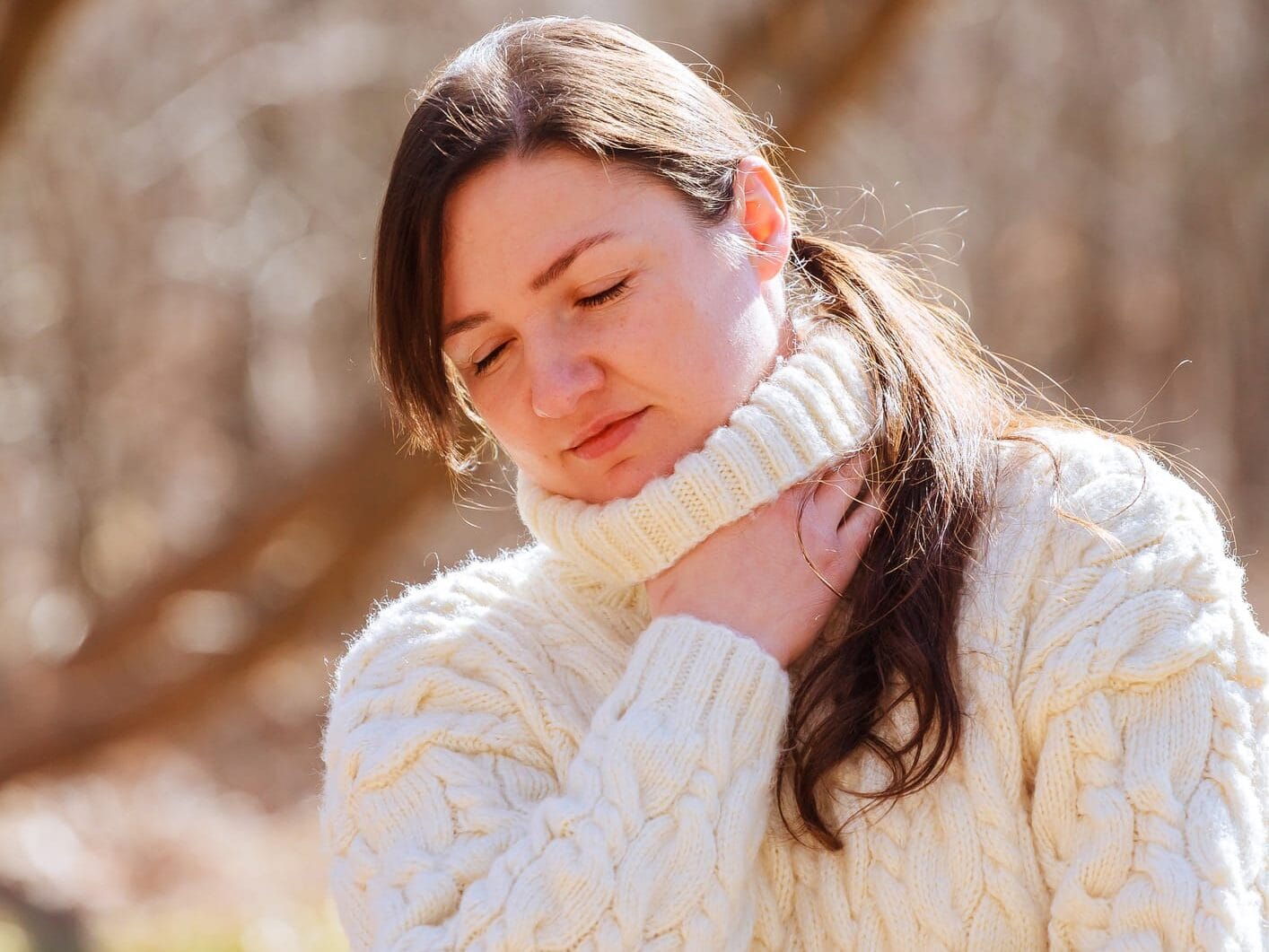
If your joints ache more when the temperature drops, you’re not alone, and you’re not imagining it. Many people living with osteoarthritis report worse pain during cold, damp, or rapidly changing weather, and many arthritis organizations acknowledge this pattern.¹
So far, research suggests a relationship, but not a simple cause-and-effect. A 2023 systematic review found that osteoarthritis pain tends to increase with higher barometric pressure and humidity, and decrease with higher temperatures.² A 2024 analysis further supported links between osteoarthritis pain and temperature, barometric pressure, and relative humidity.³ In other words, certain weather patterns often go along with more joint pain, especially in people who already have arthritis or past joint injuries.
Even if you don’t have a formal arthritis diagnosis, old injuries, overuse, mild joint degeneration, or muscle tension around a joint can make you more sensitive to cold or weather changes.
From a musculoskeletal perspective, there are a few likely reasons:
- Cold-induced stiffness: Cold weather can make muscles, tendons, and ligaments tighten, which reduces joint mobility and can make existing joint stress feel stiff and/or painful.⁴
- Inflammation and sensitivity: People living with osteoarthritis or past joint injuries often have more sensitive pain pathways. Weather shifts can amplify that sensitivity, even though they don’t cause arthritis in the first place.⁵
- Barometric pressure changes: When air pressure drops before cold or damp weather, the tissues around your joints may slightly expand, irritating already-sensitive structures.⁶
Cold weather does not cause osteoarthritis — but it can aggravate symptoms in joints that are already vulnerable. Organizations like the Arthritis Society Canada emphasize staying warm, staying active, and using appropriate heat or cold therapy can be helpful strategies to use as part of drug-free pain management.¹

As part of your care team, a chiropractor can support you by:
- Improving joint mobility and alignment to reduce mechanical stress.
- Prescribing targeted mobility drills and stretching to keep tissues warm and flexible as well as providing rehabilitation and strengthening programs.
- Coaching you on activity pacing, ergonomics, and simple home strategies like layering, using heated packs, and staying active rather than “hibernating.” Remember movement is medicine.
If your joint pain flares every time the temperature drops, a thorough assessment can help identify what’s driving your symptoms — and what you can do to feel and move better all winter long.
References / Links
- Wang L, Xu Q, Chen Y, Zhu Z, Cao Y. Associations between weather conditions and osteoarthritis pain: a systematic review and meta-analysis. Annals of Medicine. 2023.
- Iconaru EI, et al. The Influence of Weather Conditions on the Diurnal Variation of Osteoarthritis Pain. J Clin Med. 2024;13(1):254.
- Medical News Today. Cold weather and joint pain: What is the connection?. June 2025.
- Arthritis Foundation. Best Climate for Arthritis Patients: Humidity’s Impact on … (accessed 2024).
- Harvard Health. Can the weather really worsen arthritis pain? (accessed).