
Finding Belonging Through Movement, Sport & Health Care
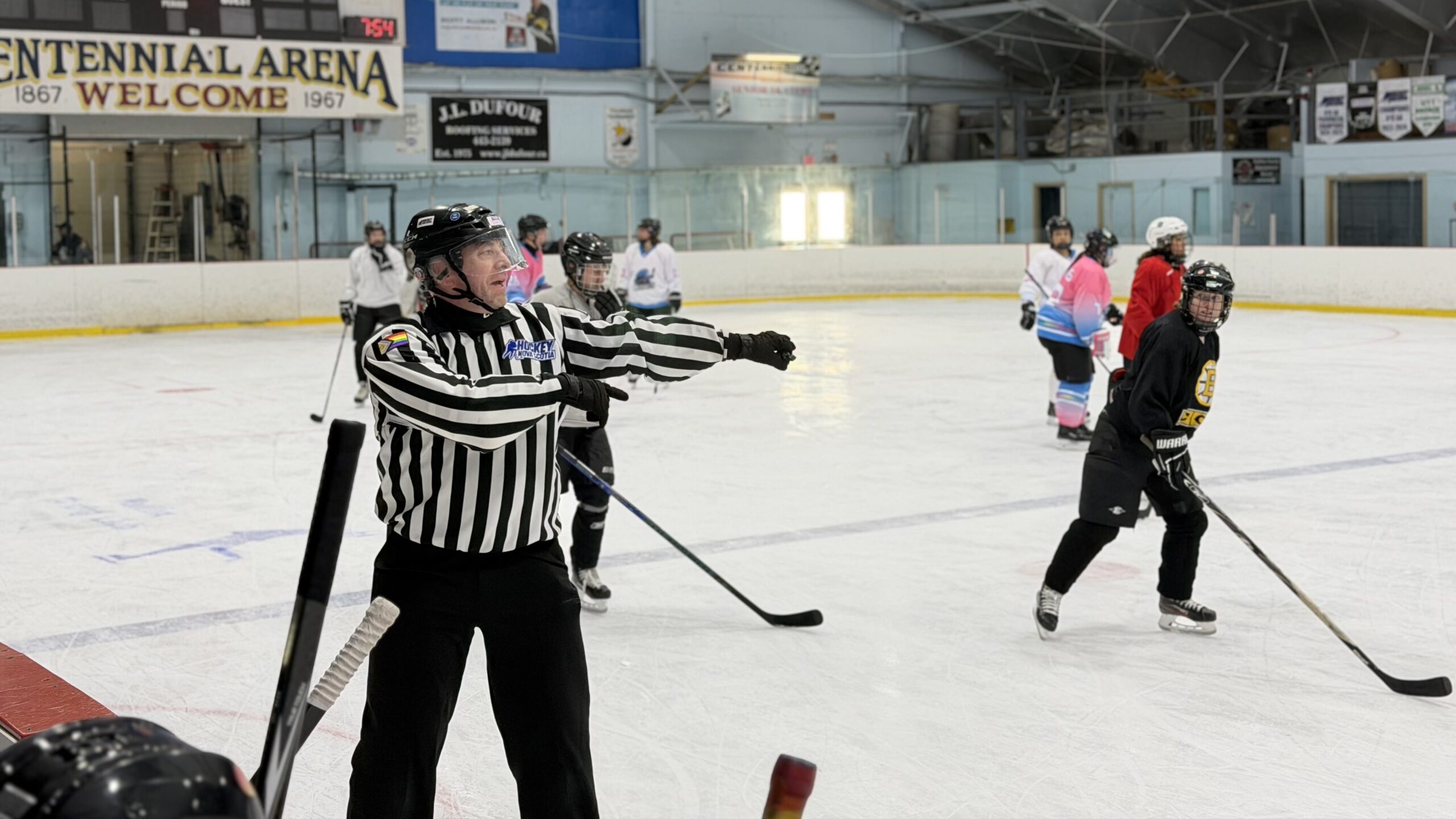
For Dr. Chuck Dauphinee, movement has always been more than physical. It has been a way to heal, build confidence, and help others feel safe being themselves.
A chiropractor based in Halifax, Nova Scotia, Dr. Dauphinee brings a personal perspective to health care. His path to chiropractic began in mechanical engineering, where his interest in movement, machines, and complex systems eventually shifted toward the human body.
That interest became personal after a serious back injury while lifting weights. Medical specialists told him he would never lift again.
For someone who valued sport, strength, and physical activity, that prognosis was devastating. It pushed him to explore health care careers that aligned with his desire to stay active, understand the body, and help others.
Dr. Dauphinee shares that chiropractic care changed his life and through treatment, he returned to the gym, resumed lifting weights, and rebuilt his confidence in movement.
Dr. Chuck Dauphinee was the 2026 recipient of the Distinguished Public Service Award, which honours a chiropractor who has demonstrated excellence in advancing the profession and supporting the musculoskeletal health of Canadians through community contribution, public service, or leadership in advocacy.
Today, he remains active in sport as an athlete, health care provider, community builder, and a proud member of the 2SLGBTQIA+ community. His story is one of resilience, authenticity, and the importance of creating spaces where people feel they belong.
Growing up in Nova Scotia, hockey was everywhere. Like many children in the province, he was introduced to the sport at a young age — something he describes as almost a “rite of passage.”
But even at the age of five, Dr. Dauphinee could tell something about the environment did not feel right. He enjoyed movement and being active, but the coaching style, expectations, and “change room culture” made it difficult for him to feel comfortable being himself.
His parents continued to encourage him to try different activities. Eventually, he found the gym, where he could build strength and confidence on his own terms.
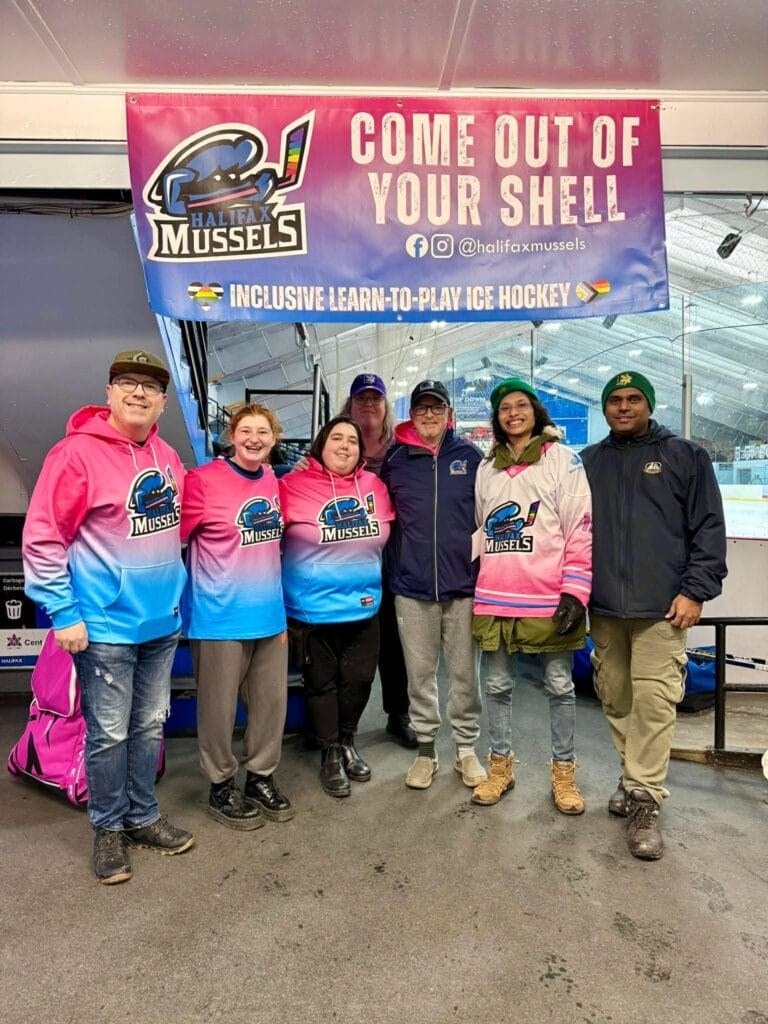
As an adult, Dr. Dauphinee once again heard hockey’s call and decided to return to the ice. He tried a few leagues — hoping the experience might feel different. However, he still struggled to find spaces where he felt comfortable.
That’s when he decided to create a new league.
Taking a grassroots approach, Dr. Dauphinee reached out to coaches he knew through his chiropractic practice. He invited athletes he had supported over the years, as well as friends.
Leveraging social media to help increase awareness, people slowly began showing up — curious about this new league.
What began as an effort to organize a hockey group became something much more meaningful. Dr. Dauphinee was not only building a team or program — he was relearning the sport with the perspective of a chiropractor, an athlete, an openly queer person, and someone committed to creating a safer space for all.
“My trajectory as a chiropractor helped me understand how to build a team and a program…But I was also watching my community grow into themselves,” says Dr. Dauphinee.
“Getting into sport can change your life, and it can help develop you as a leader.”
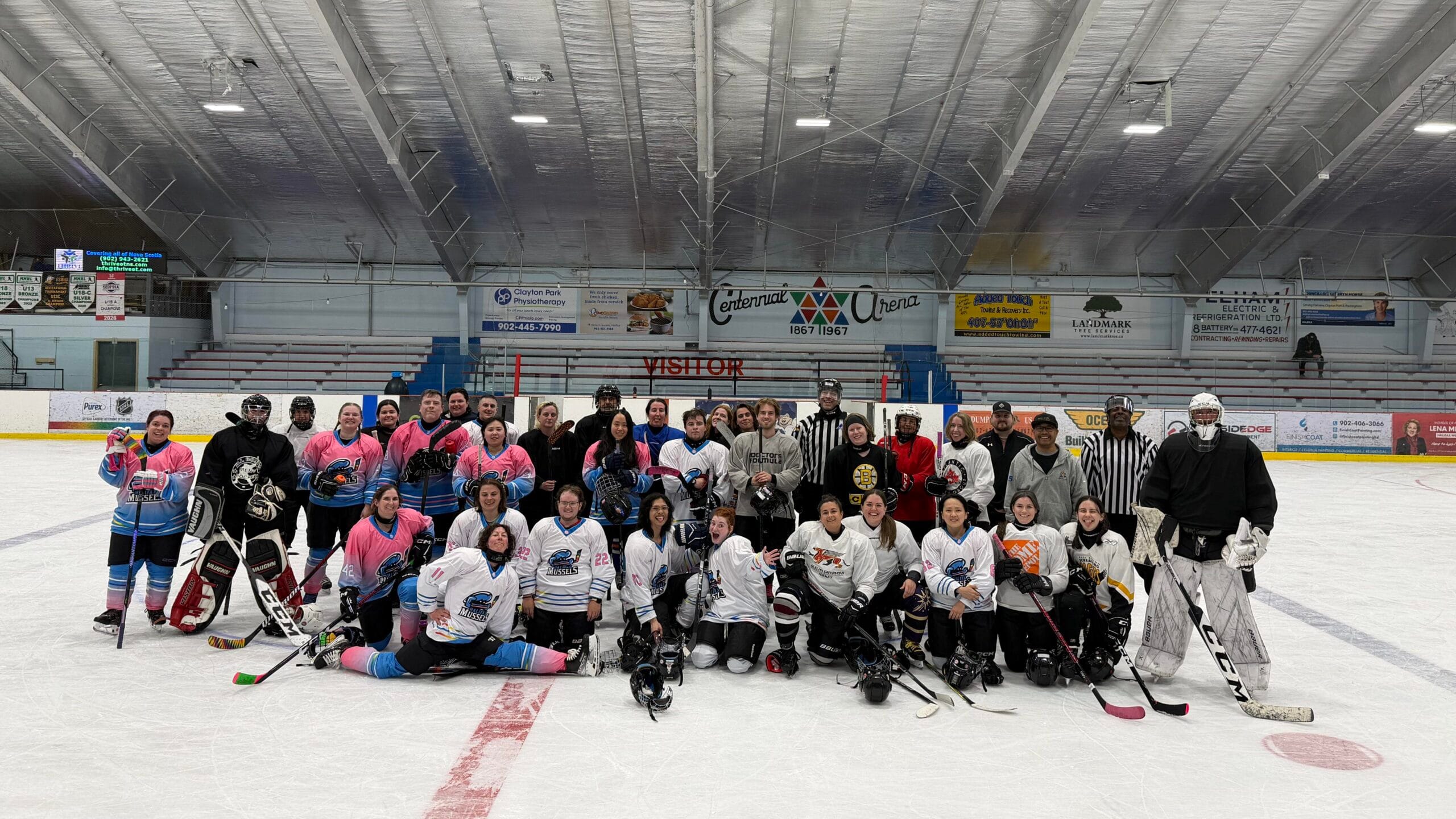
His work as a chiropractor helped shape how he understood team-building. Working behind the scenes in sport had taught Dr. Dauphinee how programs develop, how athletes gain confidence, and how environments can either support or limit people.
Sure enough, the group evolved —attracting people from a wide range of identities, backgrounds, and cultures. Many were drawn not only to the opportunity to play, but to the environment being intentionally created.
“They feel safe,” Dr. Dauphinee says. “We don’t discriminate. We are aware of pronouns, gender, and sexuality, and we get to create more allies in sport. So not only are we helping grow the queer community, we’re also growing an alliance with our straight allies.”
For Dr. Dauphinee, inclusive sport is about more than participation. It is about belonging and changing the culture of spaces that have historically made some people feel unwelcome or unsafe.
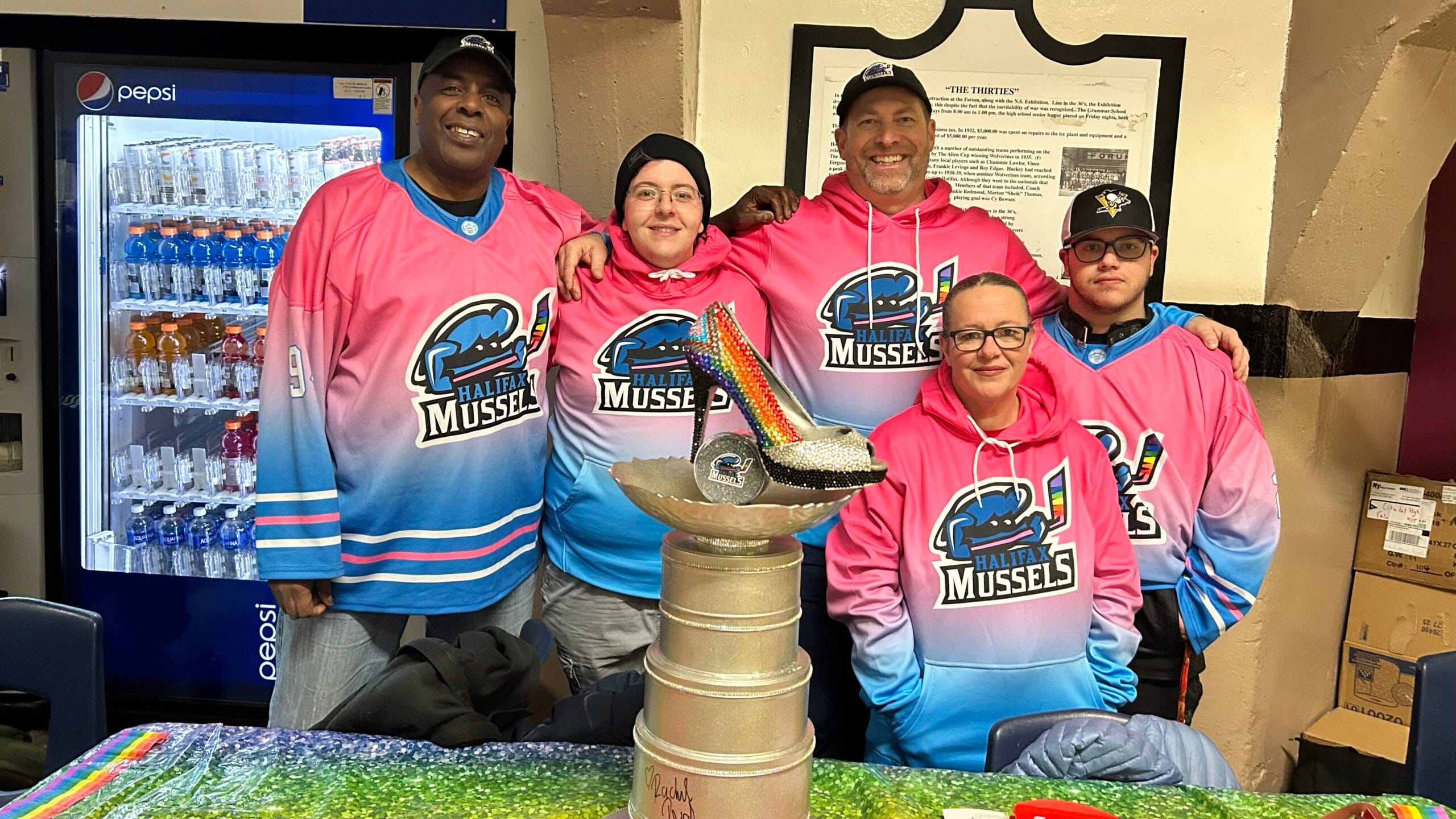
He sees clear parallels between inclusion in sport and inclusion in health care. In both spaces, he says getting to know the person matters, pronouns matter, and visible signs of welcome matter.
A pride flag in a rink or a clinic may seem like a small gesture to some, but for others, it can shift the energy of a space. It can signal that they are not alone and that they have permission to show up as themselves.
“When people feel safe, they can be coached better,” Dr. Dauphinee explains. “They open up more about themselves and there is better communication.”
The same is true in health care. Patients need to feel safe enough to share who they are, what they are experiencing, and what they need. When they do, providers can understand them more fully, not just as a body or an injury, but as a whole person.
“To see youth being able to be themselves, when in my time I was closeted, I’ll do anything to help reach out to those kids. Hopefully we can get them into sport to help them grow even further as leaders and connect to themselves more.”
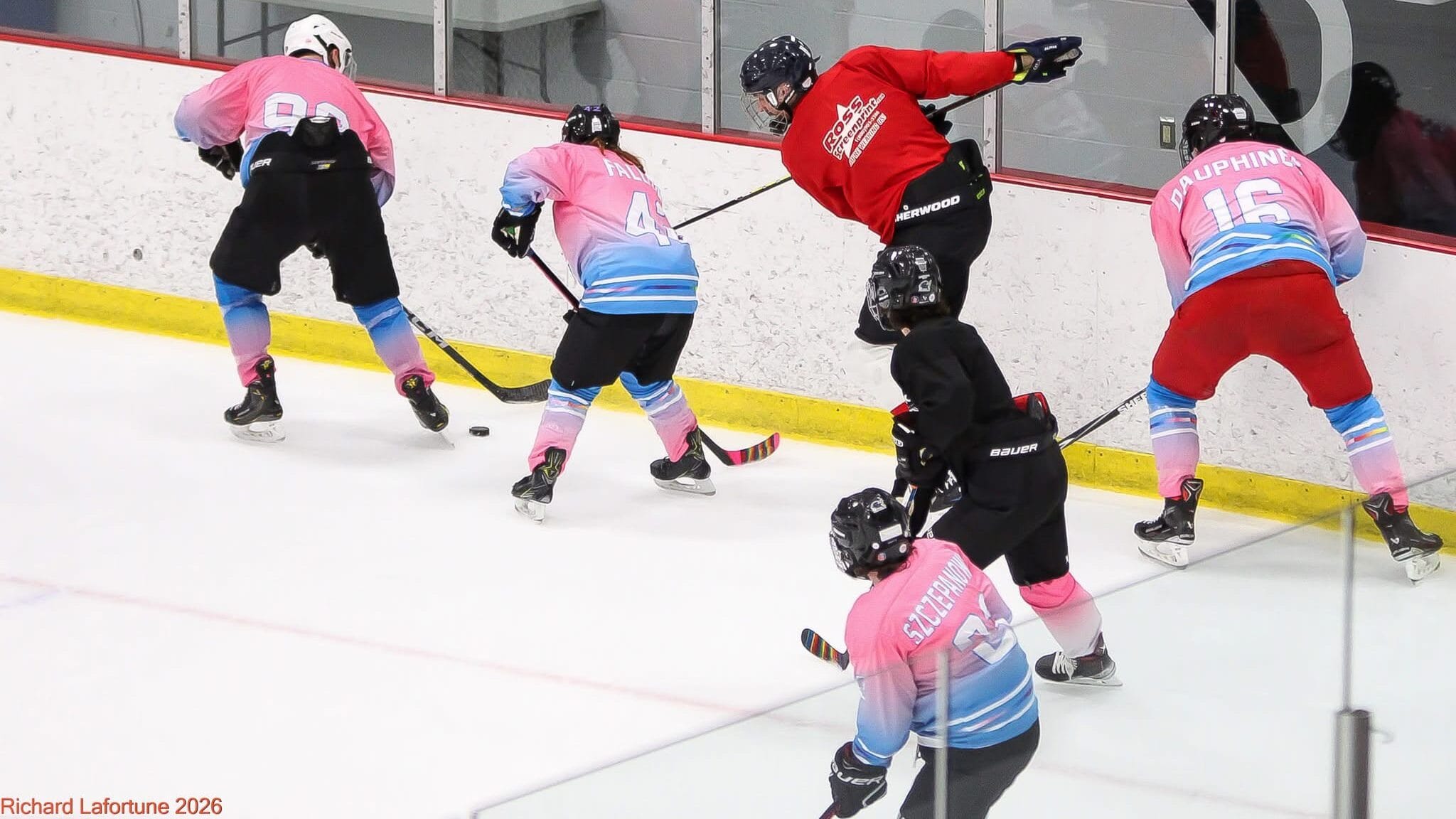
For Dr. Dauphinee, movement is deeply connected to mental health, confidence, and community. Sport can offer people a different way to communicate, build relationships, find their people, and develop a stronger sense of self.
Chiropractic played a key role in helping Dr. Dauphinee regain the courage to return to a sport he loved and find a way to establish belonging.
Now, through his work in health care and inclusive hockey league, he is helping others do the same.