Dr. David Peeace: How Chiropractic is Putting Truth and Reconciliation ‘in Action’
In my province, Saskatchewan, a significant event recently occurred: The 150-year celebration of the signing of Treaty 6.
The signing of this treaty by the Government of Canada and the Cree, Assiniboine, and Nakota First Nations at Fort Carlton in 1876 has a unique feature that other numbered treaties don’t: the “medicine chest clause.” This provision promised to keep a medicine chest “at the house of each Indian agent” and is interpreted today as a foundational right to health care.
Over the years, the federal government has argued that this was literal. However, numerous court cases have upheld the original intent: A permanent obligation by the government to provide free, comprehensive medical care to Indigenous people.
This is appropriate as we discuss Truth and Reconciliation because Indigenous people are still struggling to access evidence-based care for musculoskeletal (MSK) issues. It’s hard to understand why access to chiropractic care isn’t included, given the health inequities Indigenous people face daily.
Still, 150 years later, the meaning of the medicine chest clause remains under scrutiny — wasting more resources on legal challenges to bring about equitable care.
That’s why I’m proud to be part of the advocacy work being done by the Indigenous Chiropractic Caucus (ICC) and the Canadian Chiropractic Association (CCA). From mentoring new leaders to pushing for the federal government to return chiropractic to the Non-Insured Health Benefits (NIHB), the push for equitable care remains at the forefront for my colleagues and I.
| LEARN MORE: First Nations Leadership Calls for Return of Chiropractic Under NIHB
We’re also in the early stages of developing a survey to better understand how the profession is caring for Indigenous populations and what this looks like from a national perspective.
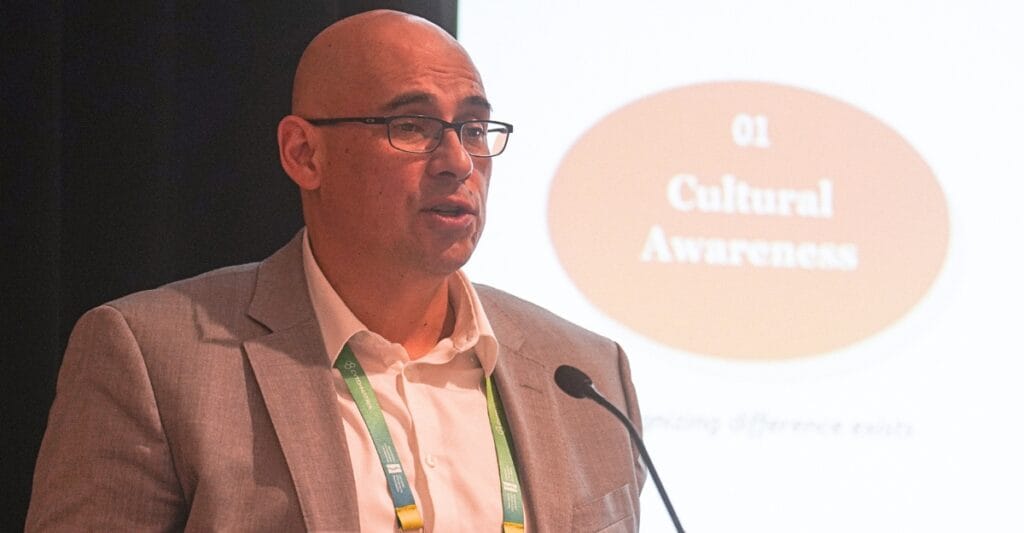
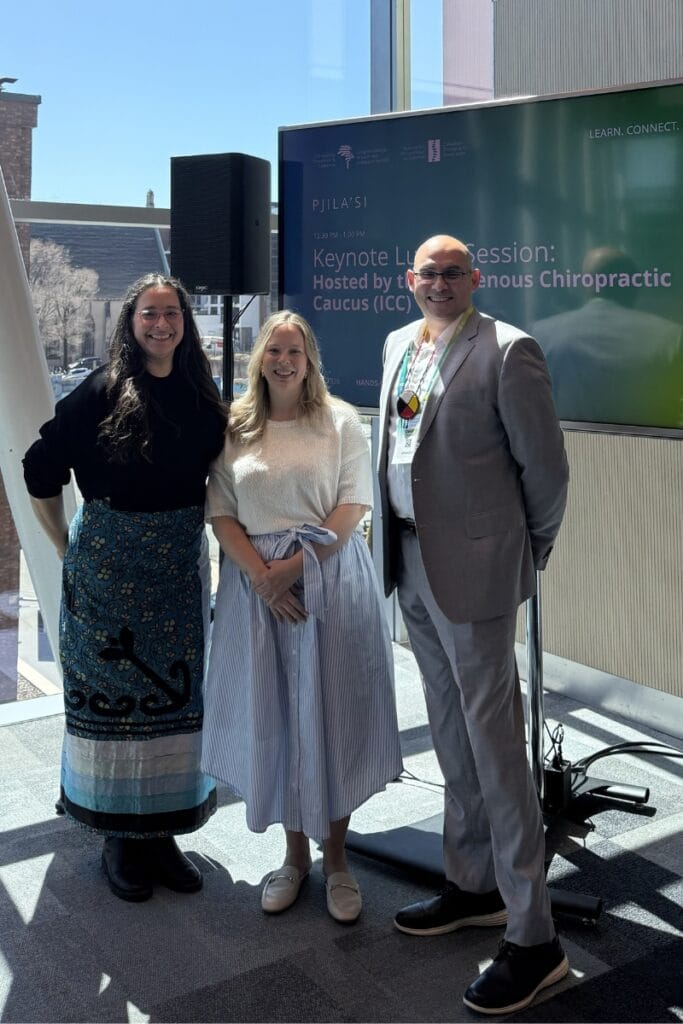
On the topic of recent significant events, ICC Co-Chair Dr. Jennifer Ward and I led a session on cultural humility and Indigenous health in chiropractic care at the CCA’s National Convention & Tradeshow (NCT) in Halifax this spring.
This was a major milestone for Truth and Reconciliation — marking the first time that two Indigenous chiropractors were invited to speak and lead a session. I told the room: “This is reconciliation in action.”
However, with Truth and Reconciliation, our work isn’t a victory lap. It’s a step on a journey.
We can’t forget that health care for Indigenous people didn’t begin on neutral ground. It started with generations being denied their own healing systems and forced into institutions that sought to remove their culture and soul — continuing to haunt many individuals today.
The journey to Truth and Reconciliation is not a one-time event, nor a day in September to simply wear an orange shirt and offer platitudes. It involves sitting in discomfort and understanding a horrific past that propels you to act.
Whether it’s:
- Advocating for equitable access to care.
- Mentoring Indigenous colleagues and students.
- Learning about the history of the land of the people you serve.
The ICC and CCA will continue to work toward these goals because we understand that the National Day of Truth and Reconciliation isn’t just a check on a list, but an ongoing call-to-action. I’m proud to be a chiropractor because we’re focused on delivering care that respects both culture and community.
Miigwech.
Dr. David Peeace, ICC Co-Chair

The CCA acknowledges the enduring and vibrant presence, culture, history, and inherent rights of First Nations people, Métis, and Inuit across Canada on whose traditional territories CCA members live and work, as well as where the CCA has its head office in Toronto.