
Shovelling Snow Safely: 6 Key Tips
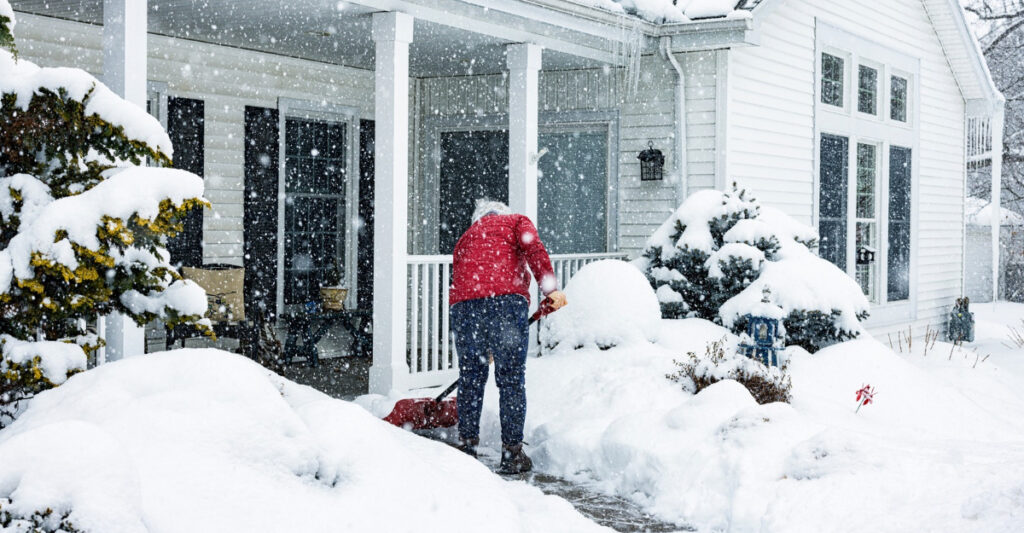
Shovelling snow is not only a pain, but it can lead to back pain, neck pain, and other types of pain if not done safely.
Here are six safety tips to consider before gearing up and clearing snow on your property.
| SEE ALSO
∙ Chronic Pain Affecting More Than a Quarter of Canadians, StatsCan Data Reveals
∙ Why Do My Joints Hurt in Cold Weather?
∙ Top 6 Common Myths About Chiropractic Treatment
∙ Looking for a Canadian Chiropractor? Find a Local Practitioner Now
1. Get the Right Shovel
A lightweight push shovel is recommended for removing snow. If you’re using a metal shovel, spray it with Teflon so that snow won’t stick to it.
2. Warm Up & Cool Down
Before and after tackling any strenuous activity, taking a 10-minute walk, for example, will help stretch your muscles and prevent injury.
3. Push, Don’t Throw Snow
Instead of lifting snow and tossing it, push snow to the side. Abrupt twists or turns while shovelling could result in injury.
4. Need to Lift Snow? Bend Your Knees
If you need to lift snow and transport it elsewhere, don’t lift your back. Bend your knees and use both your leg and arm muscles to do the work. During this motion, your back should be kept straight.
| SEE ALSO: Lifting Loads Safely: 8 Tips from Canadian Chiropractors
5. Take Breaks
If you feel tired or short of breath, stop and take a break. Shake out your arms and legs to recharge.
Also, be sure to drink a lot of water or fruit juice before, during, and after shovelling. Remember: If you feel thirsty, you’re already dehydrated.
6. Avoid Letting Snow Build Up
If the weather report is calling for several days of snow, frequent shovelling will allow you to move smaller amounts of accumulation after each snowfall.
Experiencing Pain After Shovelling Snow? How Chiropractic Care can Help
Chiropractors are able to offer drug-free, non-invasive support to Canadians experiencing pain affecting their spine, muscle, joint, or nervous system after shovelling snow.
Chiropractic care can:
- Support symptom management
- Improve quality of life
- Promote long-term joint and muscle health
Explore all the options available to you on your recovery journey. Find a Chiropractor near you now.
DISCLAIMER: No information from this document is intended as a substitute for professional medical advice, diagnosis, or treatment. Consultation with a chiropractor or another primary care provider is recommended for anyone suffering from a health problem or considering starting a new exercise program. The CCA recognizes that research and data is constantly evolving. Please use this information in conjunction with the best available evidence.