
Can Yoga Help Ease Pain? 4 Safety Tips
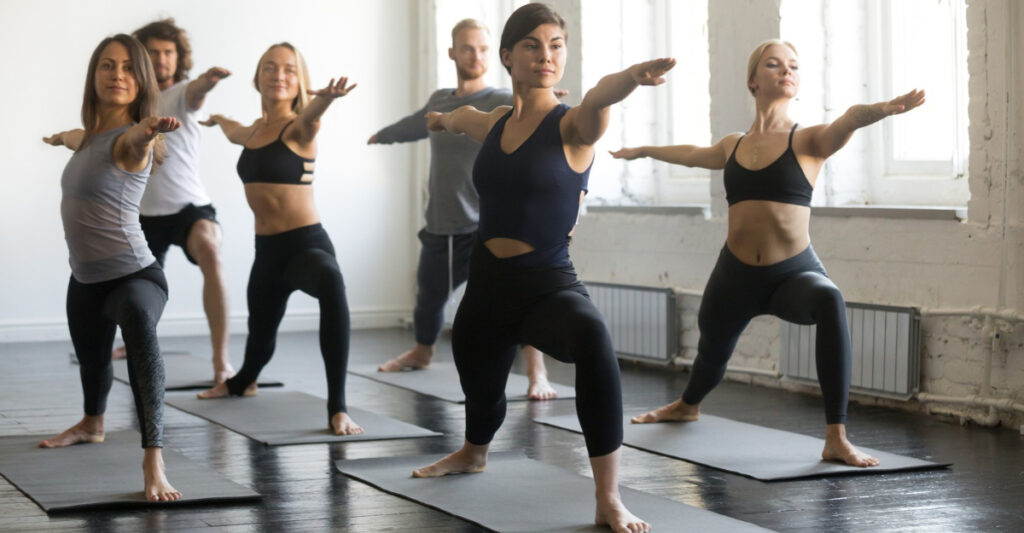
Yoga is a helpful tool for physical and mental well-being. It combines stretching, strength, and meditation to ease stress in the body — promoting strength, flexibility, and relaxation.
There have been various studies published on yoga’s ability to ease low back pain and chronic pain.123
| SEE ALSO
∙ Chronic Pain Affecting More Than a Quarter of Canadians, StatsCan Data Reveals
∙ Top 6 Common Myths About Chiropractic Treatment
∙ Looking for a Canadian Chiropractor? Find a Local Practitioner Now
Whether you’re a new or experienced yogi, it’s important to be mindful of how exercise could affect any problem areas you have. Here are four safety tips to consider before your first or next yoga session:
1. Practice with a pro
Always take classes with a certified instructor. Often, they’ll go through a number of modifications throughout a class to accommodate different levels of fitness and flexibility.
2. Keep your instructor informed
Let your instructor know about injuries or concerns before class. They might be able to offer you specific modifications while the class is in progress.
3. Don’t be afraid to stop
In some cases, modifications don’t work for you. Stop doing any poses or positions that make the pain worse.
You can wait until the next posture if something is causing you pain. There should be no pain in yoga.
4. Consult an expert
If you plan on doing yoga at home, work with, or consult, an instructor first.
Also, consider consulting a health care provider, such as a chiropractor, who can provide clear guidance on best practices for your condition.
Yoga is just one form of active care. There are a number of different activities that fall under this umbrella, which is why it’s in your best interest to speak with a health care professional beforehand.
DISCLAIMER: No information from this document is intended as a substitute for professional medical advice, diagnosis, or treatment. Consultation with a chiropractor or another primary care provider is recommended for anyone suffering from a health problem or considering starting a new exercise program. The CCA recognizes that research and data is constantly evolving. Please use this information in conjunction with the best available evidence.
REFERENCES
1. Chou R, Deyo R, Friedly J, et al. Nonpharmacologic therapies for low back pain: a systematic review for an American College of Physicians Clinical Practice Guideline. Ann Intern Med. 2017;166(7):493-505. doi:7326/m16-2459.
2. Brämberg E, Bergström G, Jensen I, Hagberg J, Kwak L. Effects of yoga, strength training and advice on back pain: a randomized controlled trial. BMC Musculoskeletal Disorders. 2017;18:132. doi:1186/s12891-017-1497-1.
3. Achilefu A, Joshi K, Meier M, McCarthy LH. Yoga and other meditative movement therapies to reduce chronic pain. J Okla State Med Assoc. 2017;110(1):14-6.